Menu
Effective Strategies for Addressing Smoke
and Soot Damage in Your Property
Have you dealt with stubborn smokeodoror noticeable sootstains in your property? Residual heatfrom a firecan cause lasting damage, making it difficult to restore your home without the right approach. This guide explores effective strategies for addressing smoke and sootdamage, including identifying different soottypes, preparing your propertyfor remediation, and using proper cleaning techniqueswith tools like sponges and water-based solutions. By following these methods, propertyowners can eliminate unpleasant odors, remove stains, and protect their homes from future smoke damage.
Key Takeaways
- smoke damageaffects both air quality and propertystructures
- identify visible and hidden sootto ensure effective restoration
- different soottypes require specialized cleaning methods
- professional restorationservices safeguard healthand propertyintegrity
- preventive measures can minimize future smoke and sootdamage
Understanding Smoke Damageand Its Impacts
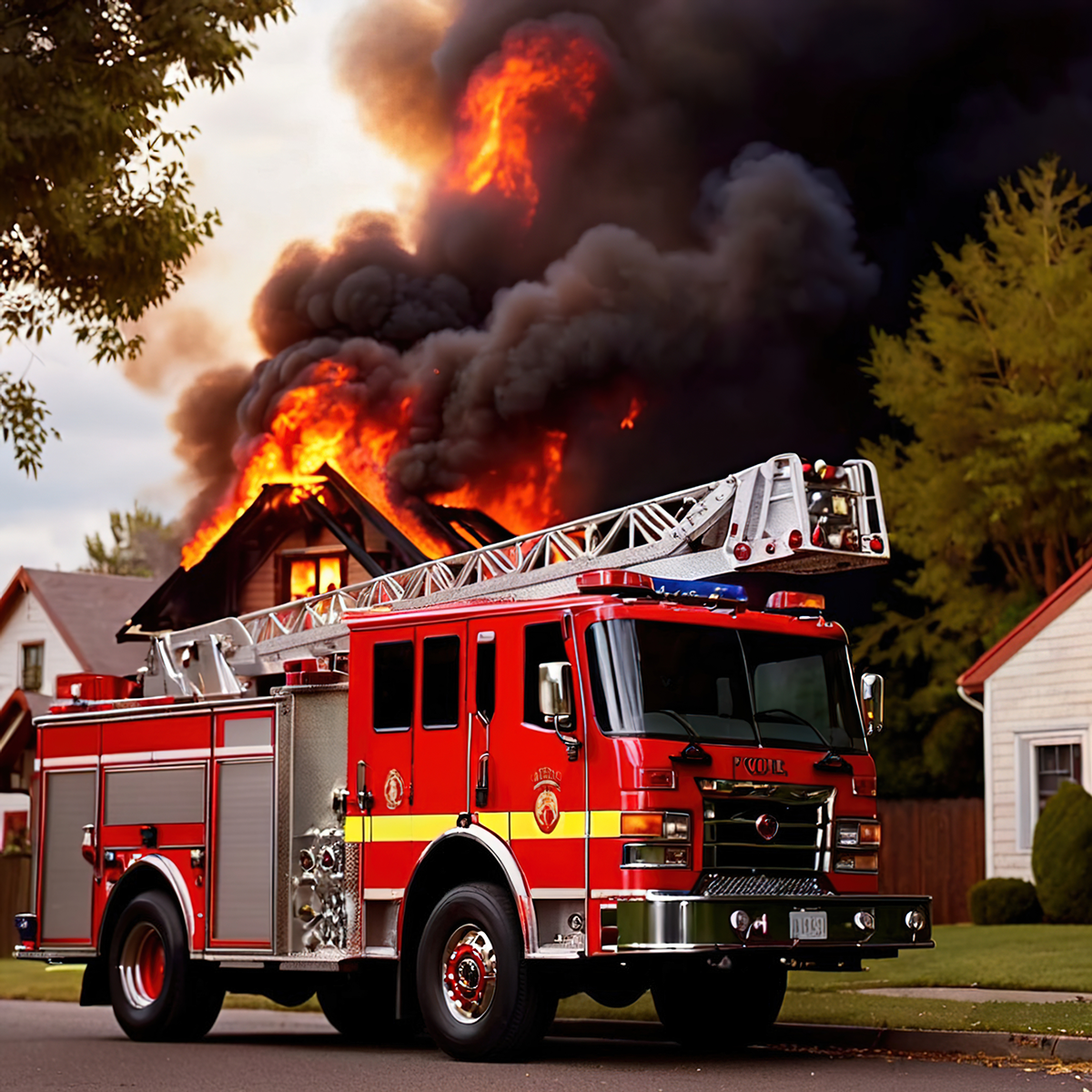
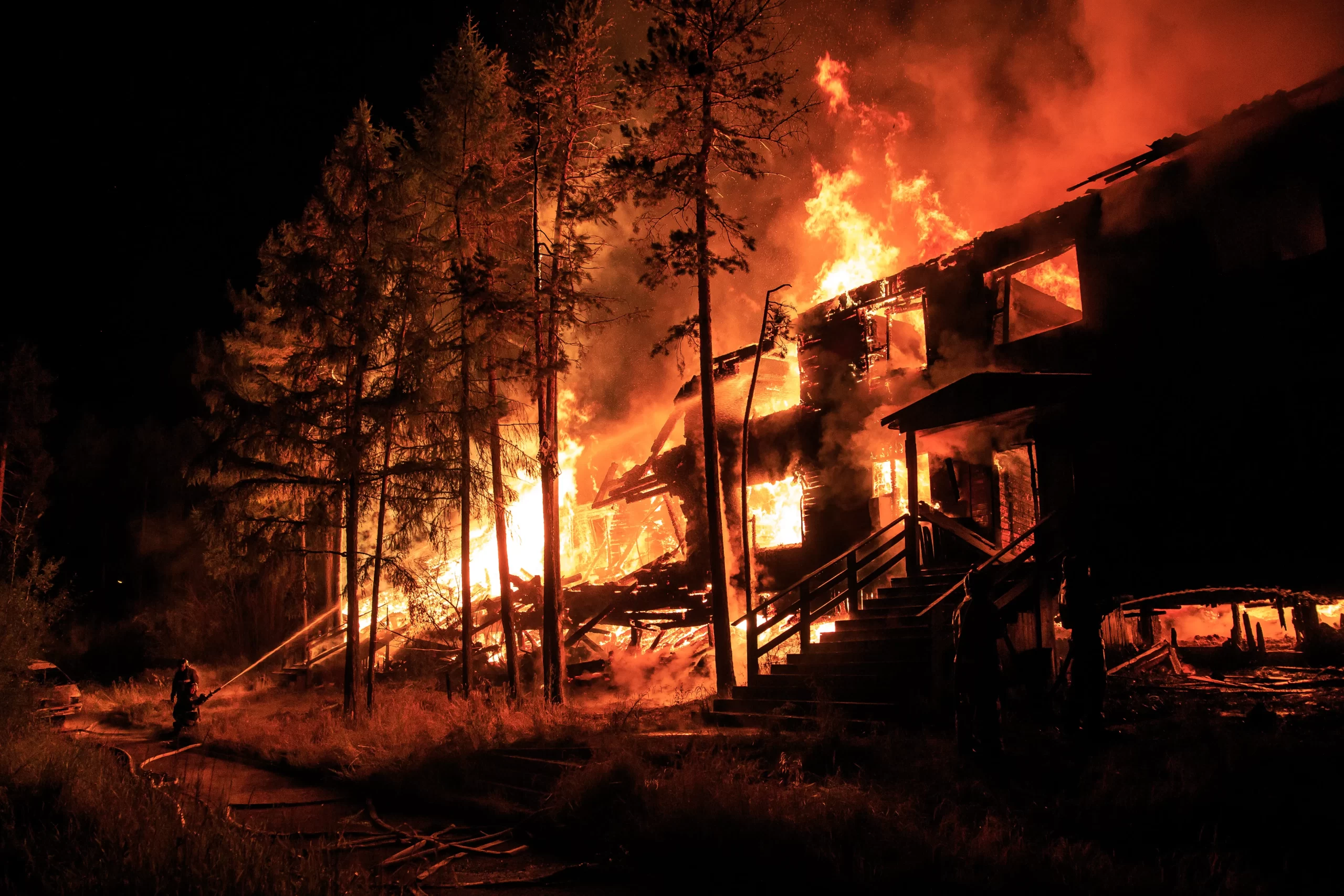
Smoke damagefrom fires can significantly affect both residential and commercial properties, impacting wooden structures and other materials. Sootpresence degrades indoor air qualityand introduces hidden risks that might remain unnoticed.
Grasping what constitutes smoke damage, its effects on air quality, and how to identify both visible and concealed damage is crucial for effective restorationfollowing fireand water incidents.

Quick Tip: Contact Your Insurance Agent for Guidance
GET YOUR FREE ASSESSMENT
Call Now for Immediate Fire Damage Assessment
and Repair.
Defining Smoke Damage in Residential and Commercial Properties
Understanding smoke damageinvolves examining the effects of combustionbyproducts on different propertytypes:
PropertyType | Impact of Smoke Damage |
|---|---|
Residential | Degradation of indoor air quality, damage to wooden structures, healthrisks from particulates |
Commercial | Structural damage to materials, potential disruption of business operations, increased healthhazards for employees |
Home insurance policies often cover smoke damage, but it’s essential for propertyowners to assess the extent of the particulatespresent and their impact on health. Addressing smoke-related issues promptly can mitigate long-term structural and healthcomplications, ensuring a safe environment for all occupants.
The Effects of Smoke and Sooton Indoor Air Quality
Smoke and sootintroduce harmful carbonparticles into the indoor environment, significantly degrading air quality. These particles contribute to air pollution, posing healthrisks to occupants by contaminating the air they breathe.
The interaction of smokeparticles with surfaces can disrupt the balance of electrons, leading to corrosionin materials exposed to residual liquidsubstances. This chemical degradation further undermines the structural integrity of a property, emphasizing the need for comprehensive restoration efforts.
Identifying Visible and Hidden Smoke Damage
Identifying visible smoke damageinvolves inspecting surfaces such as furnitureand metalfixtures for discoloration, warping, or residue. Signs like soot stains on walls and ceilingsare common indicators that immediate action is needed to prevent further deterioration.
Type of Damage | Indicators |
|---|---|
Visible | Sootstains, discoloration on furnitureand metal, odorous residue |
Hidden | Contaminated HVACsystems, internal wall damage, electrical hazards |
Hidden smoke damageposes significant hazards as it may not be immediately apparent, affecting indoor air qualityand structural integrity. Utilizing professional dry cleaning servicescan effectively remove concealed particulates, ensuring a safe and healthy environment post-wildfireor fireincident.
Recognizing the Types of Soot Damage
Recognizing the types of soot damageis essential for effective propertyrestoration. This section covers differentiating between dry and wet soot, understanding proteinsootand its effects, and identifying risks associated with sootresidues. Utilizing appropriate cleaners and cleaning agents, such as sodium bicarbonate, ensures thorough removal of sootfrom fuelsources and areas affected by floodor fireincidents.
Differentiating Between Dry and Wet Soot
Dry sootconsists of fine, powdery particles that easily spread across surfaces such as carpets and clothing. Utilizing specialized vacuums is essential for effectively removing these tiny particulatesand preventing further contamination.
Wet soot, however, is sticky and more challenging to clean, often becoming embedded in fabrics and porous materials. Addressing wet sootrequires careful handling to protect lunghealthand prevent moldgrowth:
- Immediate ventilationto reduce airborne particles
- Professional cleaning of carpets and clothing
- Inspectionfor moldin damp areas
Understanding ProteinSootand Its Effects
Proteinsootresults from the combustionof organic materials such as upholstery, leather, and other protein-based substances. When items like furnitureor textiles near a fireplaceburn, the oiland plasticcomponents can produce this sticky residue, making cleanupmore challenging.
The presence of proteinsootnot only damages surfaces like walls and carpets but also poses healthrisks by releasing harmful particulatesinto the air. Effective removal frequently requires specialized cleaning agents to address the oiland plasticresidues, ensuring the property‘s air quality and structural integrity are restored.
Identifying Risks Associated With Soot Residues
Sootresidues can severely impact the respiratory system, increasing the riskof bronchitisand causing persistent shortness of breath. Individuals exposed to contaminated environments may experience heightened breathingdifficulties, particularly those with existing respiratory conditions.
Effectively removing sootresidues is crucial to protect occupants’ healthand maintain air quality. Utilizing appropriate cleaning methods and specialized soaps helps eliminate harmful particulates, ensuring a safer living or working space.
Preparing Your Propertyfor Smoke and SootRemediation
Prioritizing safety is essential before initiating smoke and sootremediation. Utilizing HEPA-filter vacuumcleaners minimizes inhalationof harmful particulates. Protecting unaffected areas from contaminationsafeguards the propertyduring cleanup.
Gathering essential sootremoval supplies, including scrubbers and foamcleaners, ensures an effective restorationprocess. These preparations lay the foundation for thorough and professional remediation efforts.
Ensuring Safety Before Cleanup
Prior to initiating smoke and sootremediation, it is crucial to evaluate the propertyfor any remaining sources of flameand ensure that all ignition risks are mitigated. Materials such as natural rubber, which may have degraded during the fire, need to be carefully examined to prevent further hazards. Adhering to safety guidelines recommended by the American Red Crosscan help in establishing a secure environment for the cleanup process.
Additionally, addressing potential mildewgrowth is essential, especially in areas where moisturemay have accumulated during the fireor subsequent water damage. Protein-based sootresidues can exacerbate healthrisks, making it imperative to use protective equipment and follow best practices to safeguard both the propertyand its occupants. Ensuring these safety measures are in place will facilitate an effective and safe restorationeffort.

Protecting Untouched Areas From Contamination
Properly protecting untouched areas during smoke and sootremediation is essential to maintain the integrity of a property. Covering floors and surfaces can prevent sootparticles from contaminating clean areas, reducing the riskof ruston metalfixtures and minimizing potential skinirritationor injuryto occupants.
Implementing effective containment measures ensures that unaffected regions remain free from contamination. Key strategies include:
- Sealing off areas with plasticsheeting to create barriers
- Using masking tape to secure protective coverings around candles and other sensitive items
- Deploying floorprotectors to catch any residual sootparticles
Gathering Essential SootRemoval Supplies
Selecting the right detergentis crucial for effectively removing sootwhile minimizing toxicityrisks. Professional restorationcontractors use specialized cleaning agents that target soiland sootparticles without damaging surfaces. Ensuring the availability of high-quality detergents helps maintain the integrity of both residential and commercial properties during the remediation process.
Equipping the restorationteam with appropriate personal protective equipment, including eyeprotection, is essential for safety. Protective gear safeguards against harmful particulatesand chemical exposure, allowing for thorough and safe sootremoval. Proper use of personal protective equipmentensures that the remediation process is conducted efficiently while prioritizing the healthof both workers and propertyoccupants.
Effective Techniques for FireSoot Cleaning
Proper soot cleaninginvolves techniques to protect surfaces and reduce healthrisks like irritation and asthma. This section outlines a step-by-step guide for cleaning sootfrom walls, methods for removing sootfrom fabric and upholstery, and best practices for hard surface restorationas advised by professional firefighters. These strategies help prevent soot-related diseases and ensure effective remediation.
Step-by-Step Guide for Cleaning Soot From Walls
To begin cleaning sootfrom walls, professionals first ensure the area is well-ventilated to improve indoor air qualityand protect workers from harmful particles. They carefully remove loose sootusing dry cleaningmethods, such as specialized brushes or vacuumcleaners equipped with HEPAfilters, to minimize contaminationand prevent sootfrom spreading to other surfaces or into the ductsystem.
Next, restorationexperts apply appropriate cleaning agents to break down stubborn sootresidues without damaging the paintor wall materials. They pay special attention to areas near cookingappliances, where sootfrom fires may have caused additional contamination. By meticulously cleaning each section and addressing any residues in the ventilationducts, professionals ensure that indoor air qualityis restored and the propertyremains safe for occupants.
Techniques for Removing SootFrom Fabric and Upholstery
How to Remove Soot: Safety First involves minimizing dustand addressing the riskof smoke inhalation. A mixtureof vinegarand watercan break down sootparticles without damaging the materials.
Cleaning Method | Benefits |
|---|---|
Vacuuming with HEPAFilters | Removes fine dustparticles, reduces inhalationrisks |
VinegarSolution Wash | Breaks down sootwithout harsh chemicals |
SteelBrushScrubbing | Lifts embedded sootfrom fabric fibers |
For persistent soot, using steelbrushes can effectively lift embedded particles from fabric fibers. Ensuring proper ventilation during the cleaning processfurther reduces the riskof smoke inhalation, promoting a healthier indoor environment.
Best Practices for Cleaning SootFrom Hard Surfaces
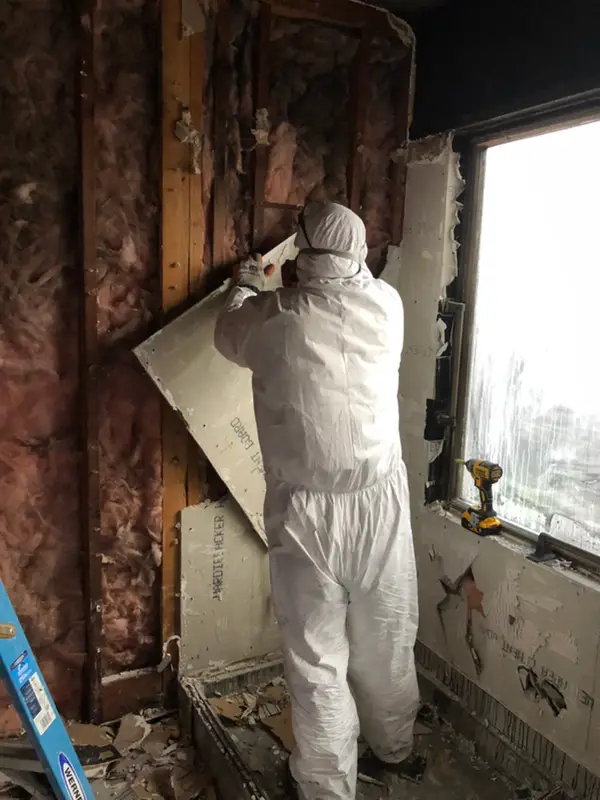
Cleaning sootfrom hard surfaces requires meticulous attention, as soot damagecan compromise both the aesthetic and structural integrity of a property. Restorationspecialists employ specialized cleaning agents and techniques to remove stubborn residuethat the human eyemight overlook, ensuring that all traces of smoke damageare effectively eliminated. This thorough approach not only restores the appearance of surfaces but also upholds fire safetystandards by removing potential hazards associated with lingering soot.
Professional restorationspecialists utilize advanced equipment and proven methods to address soot damageon hard surfaces comprehensively. By targeting both visible and hidden residues, they ensure that smoke damagedoes not persist or worsen over time. Their expertise guarantees a safe and healthy environment for propertyowners, minimizing healthrisks and preventing further deterioration of the affected areas.
Professional Solutions for Smoke Damage Restoration
Professional restorationservices play a vital role in smoke damage restoration, guiding propertyowners on when to call experts for effective cleanup. Understanding the costs associated with fire damage restorationis essential for making informed decisions.
Knowing what to expect from a restorationteam ensures a smooth and efficient restorationprocess, minimizing disruptions and safeguarding propertyintegrity.
Step-by-Step Guide for Cleaning Soot From Walls
When to Call Experts for Smoke and SootCleanup
Propertyowners should consider calling professionals for soot clean upwhen the damage extends beyond superficial surfaces or affects essential systems like HVAC. Expert sootsmokeremovers have the specialized equipment and knowledge to address contaminationin areas such as drywalland ventilationsystems effectively.
Common indicators that professional intervention is necessary include extensive discoloration, persistent odors, and compromised air quality:
Indicator | Recommended Action |
|---|---|
Extensive Discoloration | Contact a soot clean upspecialist to restore affected surfaces |
Persistent Odors | Utilize soot smoke removerservices to eliminate lingering smells |
Compromised Air Quality | Have HVACsystems inspected and cleaned by professionals |
Addressing clean smoke damagepromptly with professional services ensures that both the structural integrity and the healthof occupants are maintained.
Understanding the Costs of Professional RestorationServices
The cost of professional restorationservices for a smoke damaged homedepends on several factors, including the extent of smoke and sootbuildupand the areas affected by the damage. Comprehensive smoke damage cleanupoften requires specialized equipment and expertise to address issues in ventilationsystems and various structural components, which can influence the overall cost.
Navigating an insurance claimis essential to managing the expenses associated with smoke damage restoration. Propertyowners should thoroughly document all affected areas and work closely with their insuranceproviders to ensure that necessary repairs for smoke damage cleanupand ventilationrestorationare adequately covered, minimizing out-of-pocket costs.
What to Expect From a Professional RestorationTeam
A professional restorationteam begins with a thorough assessment of soot and smokedamage, including areas affected by flood damage. Utilizing advanced soot cleaning services, these experts identify the extent of smoke damage on wallsand other surfaces, ensuring no hidden contaminants remain. Their comprehensive approach guarantees that all affected areas are meticulously cleaned and restored to their pre-damage condition.
Clients can expect soot cleaning companiesto employ specialized equipment and proven techniques to effectively remove soot and smokeresidues. These professionals prioritize the safety and healthof propertyowners by improving indoor air qualityand preventing further structural deterioration. With their expertise, restorationteams provide reliable solutions that restore both the appearance and integrity of the propertyefficiently.
Preventive Measures to Protect Against Future Smoke Damage
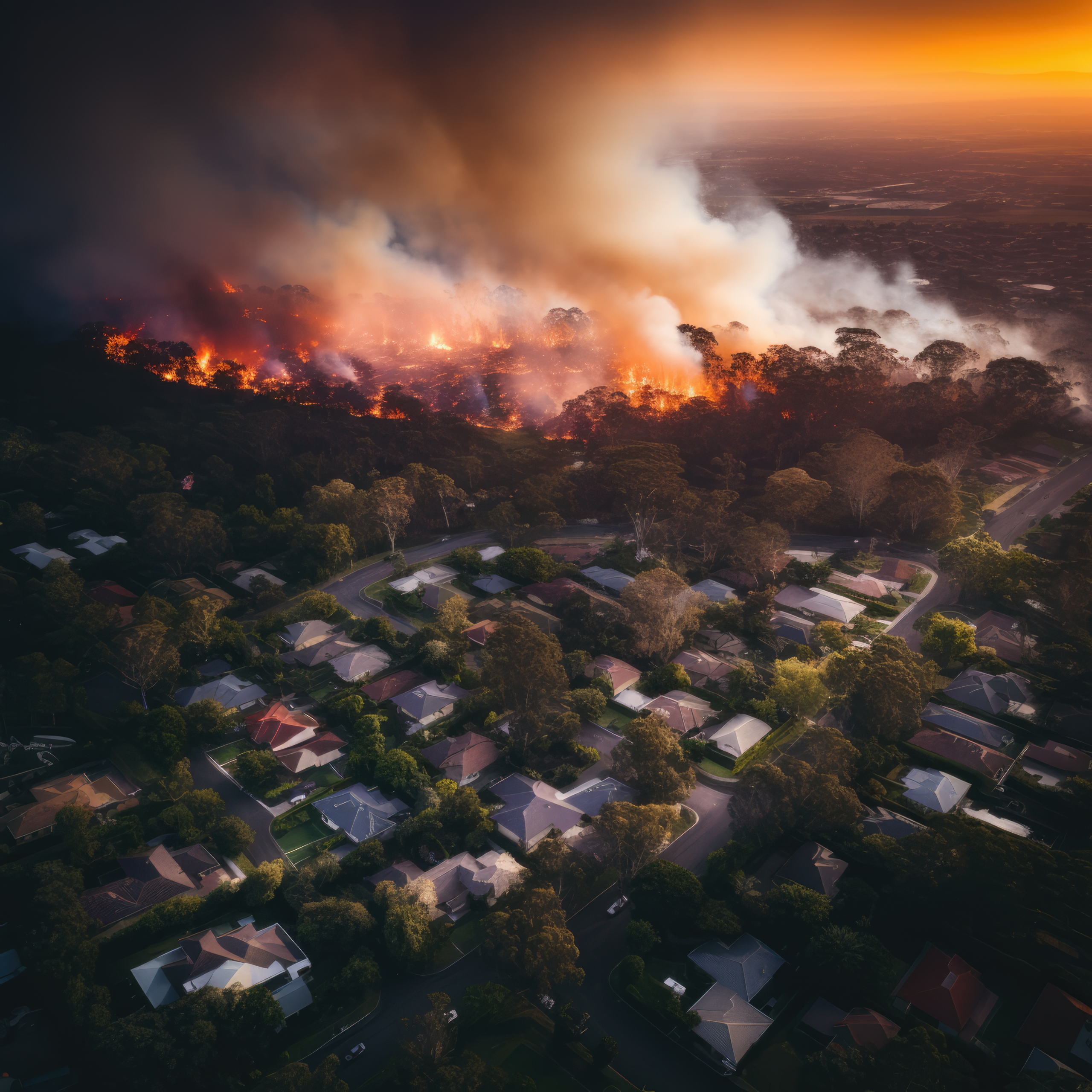
Implementing preventive measures is essential to reduce future smokesoot damageand maintain a safe environment. Installing smokedetectors and alarm systems, performing regular maintenance of fireplaces and chimneys, and educating residents and staff on fire safetyprotocols are key strategies. These actions help manage pollutants, protect ceilings, and ensure effective smoke soot removalwhen necessary.
Installing SmokeDetectors and Alarm Systems
Installing smokedetectors and alarm systems is essential for early detection of hazardous substances, such as carbon monoxideand other harmful mixtures, that can arise from fires. These devices monitor the presence of dangerous matterin the air, including powdery sootparticles, ensuring that occupants are alerted promptly to evacuate and seek safety.
Modern alarm systems often incorporate advanced sensors that can detect a variety of contaminants, including those from materials like polyvinyl chloride. By providing continuous monitoring, these systems help prevent extensive smoke and sootdamage, safeguarding both the structural integrity of the propertyand the healthof its residents.
Regular Maintenance of Fireplaces and WoodStoves
Regular maintenance of fireplaces and woodstoves is essential for preventing excessive sootbuildupand minimizing pollutionwithin the property. Propertyowners should schedule routine cleanings, ensuring that ashes are removed and flues are free from obstructions. Utilizing appropriate cleaning agents, including diluted bleachsolutions for sanitizing non-metalsurfaces, helps maintain the efficiency of these heating systems and promotes a healthier indoor environment.
Maintaining a well-stocked inventory of maintenance supplies, such as brushes, scrubbers, and safe cleaning agents, enables propertyowners to address potential issues promptly. Light, consistent inspections can detect early signs of wear or sootaccumulation, reducing the riskof significant damage. By prioritizing regular upkeep, homeowners can protect their propertyfrom smoke-related deterioration and ensure that their fireplaces and wood stovesoperate safely and effectively.
Educating Residents and Staff on Fire SafetyProtocols
Educating residents and staff on fire safety protocolsis essential to minimize the riskof smoke and sootdamage. Training should cover the proper handling of materials such as organic matter, coal, and greaseto prevent accidental fires:
- Proper storage of flammable materials
- Regular maintenance of appliances like refrigerators
- Safe practices for handling coaland organic matter
- Guidelines to prevent grease-related fires
Additionally, understanding the impact of black carbonand implementing preventive measures can enhance overall fire safety. Continuous education and regular drills ensure that all occupants are prepared to respond effectively in emergency situations.
Frequently Asked Questions
What are the common signs of smoke damagein a property?
Common smoke damageindicators are sooton walls and ceilings, lingering smokeodors, surface discoloration, and impaired electronics. Recognizing these signs allows propertyowners to engage professional restorationservices promptly, preventing further propertyissues.
How Can I Identify Different Types of Soot Damage?
Differentsoot damage types are identified by their color, texture, and location. Lightgray soottypically indicates incomplete combustion, while dense black deposits suggest heavy fireexposure. Additionally, oily residues may reveal specific fuelsources involved.
What steps should I take before smokeremediation begins?
Before smokeremediation begins, propertyowners should:
- Secure valuables and important documents
- Document damage with photos
- Clear pathways for restorationexperts
- Ensure pets are safely relocated
What methods are used for effective soot cleaning?
Professional restorationcontractors use methods like dry chemical sponges, advanced vacuumsystems, and specialized cleaning agents to effectively eliminate sootfrom surfaces, ensuring thorough purification and restorationfor propertyowners.
How Can I Prevent Future Smoke Damagein My Home?
Preventing future smoke damageinvolves installing quality smokedetectors, maintaining HVACsystems, and ensuring proper ventilation. Regular inspections and timely repairs help safeguard homes, minimizing smoke-related risks and protecting propertyvalue.
Conclusion: Key Takeaways for Effective Smoke Damage RestorationConclusion
Effective strategies for addressing smoke and sootdamage are essential for preserving both the structural integrity and the healthof a property. Prompt and comprehensive remediation minimizes healthrisks and prevents further deterioration of building materials. Engaging professional restorationservices ensures the use of specialized techniques and equipment for thorough cleanup. Additionally, implementing preventive measures enhances propertyresilience, reducing the likelihood of future smoke-related incidents.